


Zumiez
3.21.73K Reviews
App Specs
- Version
- 2.14.24+1
- Updated On
- License
- Free
- Downloads
- 500,000+
- Developer
- Zumiez App
- Categories
- Lifestyle
- Platform
- Android
Screenshots

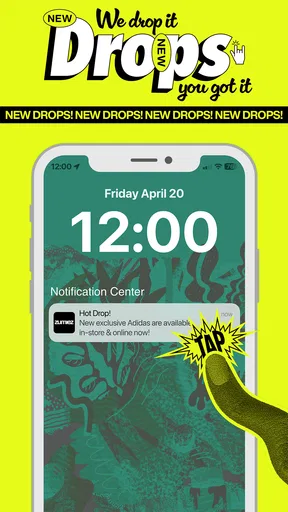
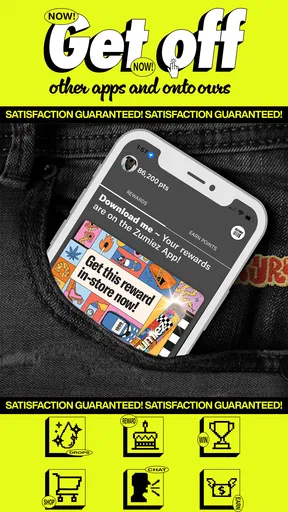
 Analysis by AppCompare
Zumiez is a free lifestyle app from Zumiez App that puts the retailer’s shopping experience on a phone rather than leaving it entirely to a browser. I spent time looking at it as an everyday shopping tool, not just as something to open once when a particular product catches my attention. My first impression was that its appeal depends heavily on how often you shop for the kind of clothing, footwear, and accessories associated with Zumiez. For the right person, the app can make browsing feel more immediate. For everyone else, it may become another shopping icon that is easy to forget.
The app is suitable for Everyone, runs on iOS 11 or later, and is free to install. It was released on October 11, 2016, and the current version is 2.14.23+1. Those details matter less than the practical question: does the mobile experience earn a permanent place on your phone? After using it with that question in mind, I found a useful but fairly focused companion for Zumiez shoppers rather than a must-have lifestyle app for a broad audience.
What the first week feels like
The first week is when Zumiez has the strongest chance to win you over. Opening a dedicated retail app feels quicker than remembering a website, searching for it, and moving through a browser tab. The store’s identity is also more present from the start, which makes the experience feel more focused than a general marketplace filled with unrelated sellers and categories.
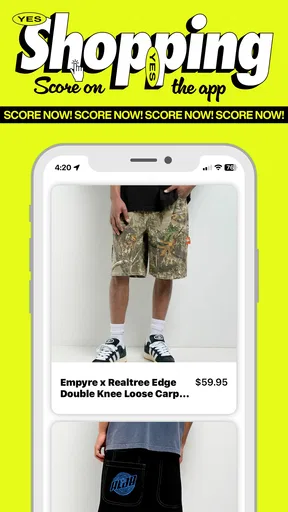
I found the app most appealing when I already had a shopping idea in mind. Looking for a new pair of shoes, checking clothing styles, or browsing accessories is more natural when the app is treated as a visual catalog rather than a general-purpose fashion adviser. That distinction is important. It does not replace the judgment needed to decide whether a color, fit, or style will work for you, but it reduces the effort of getting to the products.
The strongest first-week habit is to use it during a specific shopping window. For example, if I am planning an outfit for a weekend trip, I can browse several related items in one sitting instead of opening multiple search results across different retailers. That focused session is more useful than casually opening the app with no goal, because a retailer-specific catalog can feel narrow when you are not already interested in its selection.
Zumiez has attracted over 500 thousand installs and holds an average rating of 3.2 from around 3.3 thousand ratings, with roughly 1.7 thousand written reviews. I read that overall reception as mixed rather than alarming: enough people find value in having the store on their phone, but the experience clearly will not be equally satisfying for every shopper.
One practical tip is to decide before browsing whether you are exploring, comparing, or preparing to buy. Exploration can easily turn into a long scroll through styles that are fun to view but difficult to organize mentally. Comparison is more productive when you keep a short list of what matters, such as price, color, size, or whether an item works with something you already own. If you are ready to buy, check the details carefully instead of assuming that a visually appealing listing answers every question.
Worth Reading Before You Choose

EA SPORTS FC Mobile 26 Is a Bigger Football Game, but It Takes Time

Flipboard Shows What News Apps Must Do Beyond the Feed

Switching to Android Auto Means Rethinking Your Driving Routine

Google Calendar Makes a Crowded Week Easier to Manage

Ludo King Makes the Most of the Minutes Between Plans

Baby Panda World Brings Quick Play to Modern Phones, but Its Game Library Feels Busy
The app also benefits from being used as a starting point rather than as your only source of confidence. I would browse it for ideas, narrow down a few candidates, and then pause to think about fit, practical use, and whether I actually need the item. That small pause prevents the novelty of a polished shopping feed from becoming the reason for a purchase.
Where it beats ordinary browsing
The clearest advantage over a normal browser search is continuity. A browser is excellent when I know exactly what I want and can describe it in a search box. A dedicated Zumiez app is more comfortable when I want to stay within one retailer’s world and move from one product area to another without repeatedly rebuilding the search.
It is also more convenient for people who already recognize the store’s style. A general marketplace may offer more variety, but that variety creates noise. Zumiez is the better choice when I want a more concentrated selection and do not want to filter through unrelated sellers. The trade-off is that concentration: if I am searching for the lowest possible price, a wider marketplace may be better; if I want to compare many brands at once, a browser or multi-store shopping app is likely more efficient.
Another first-week use case is gift planning. Someone shopping for a teenager or young adult may not know the exact item to choose, but can use the app to understand the general look and narrow down possibilities. I would still confirm preferences before buying, because style is personal and a visual catalog cannot remove the risk of choosing the wrong size or design.
The app is at its best when it shortens a decision you have already begun, not when it tries to create a shopping need from nothing. That is the central lesson from the first few days. It is a focused retail tool, and its usefulness rises with intent.
Does it keep earning attention after the novelty?
After the first month, the question changes. The initial convenience of having Zumiez nearby is no longer new, so the app has to justify the space it occupies through repeated usefulness. In my experience, that value is seasonal and need-based rather than constant. I would return when I was actively looking for something from the retailer, but I would not expect to open it every day as I might a messaging, finance, or weather app.
That is not necessarily a weakness. Shopping apps do not need daily use to be worthwhile. A tool that helps twice during a school term, before a trip, or when replacing worn-out clothing can still be valuable if it makes those sessions less frustrating. The mistake is judging it by the standard of an app designed for daily habits. Its recurring value comes from being available at the right moment, not from demanding a routine.
For month-to-month use, I recommend keeping the app tied to real shopping projects. I might open it at the beginning of a season, before an event, or when I need to replace a specific category of clothing. This approach makes the app feel like a useful reference point instead of a source of endless browsing. It also helps control spending because the visit has a purpose and an exit point.
The app is less compelling if your shopping behavior is mostly price hunting. In that situation, you may get more lasting value from a comparison service that brings several retailers into one search. Likewise, if you prefer visiting a physical store to judge materials and fit, the app may work better as preparation than as your main shopping destination. I would use it to get familiar with possible choices, then decide whether an in-person visit is worthwhile.
Another trade-off appears when you are shopping for basics. A dedicated fashion retailer can be enjoyable for style-led purchases, but a general retailer may be more efficient for plain essentials, household items, or a mixed basket. Zumiez earns its place when its particular selection is relevant. It does not become more useful simply because it is installed.
The developer is listed as Zumiez App, and the app’s purpose remains straightforward: bring the Zumiez experience into a mobile format. That clarity is helpful. I did not approach it expecting a broad social platform, a wardrobe manager, or a personal styling system. Keeping expectations aligned with its role makes the experience easier to judge fairly.
How I would use it over several months
I would keep a simple three-step routine. First, open the app only when I have a category or occasion in mind. Second, narrow the browsing session to a few realistic options rather than saving everything that looks interesting. Third, leave the app and make the final decision with practical questions in mind: will I wear it often, does it fit my existing wardrobe, and am I comfortable with the total purchase?
This routine turns the app into a planning tool. It is especially useful when I want to compare several visual styles before deciding what direction to take. The non-obvious benefit is that browsing can reveal a mismatch between what I think I want and what I would actually wear. Seeing options together makes that clearer than imagining them from a single search result.
A second useful workflow is to use the app before visiting a store. I can identify a few styles, note the details that matter, and avoid walking in without a plan. That does not guarantee that the in-store experience will match what I saw on the phone, but it reduces decision fatigue. Conversely, after visiting a store, I can use the app to revisit the general look and consider alternatives without relying entirely on memory.
For gifts, I would treat the app as a research aid rather than a final authority. I can learn which types of products fit the recipient’s style, then ask a discreet question about size or preferred colors. That is more reliable than guessing based only on photographs. The app helps with discovery; the human conversation still does the important work.
Maintenance, friction, and reasons I might remove it
The maintenance burden is fairly ordinary for a shopping app, but it still deserves attention. A retailer app asks for a place on your phone even though you may use it only occasionally. If storage is tight or you prefer a minimal home screen, the browser may be the better long-term option. You can still shop when needed without keeping a dedicated icon available all the time.
There is also a mental maintenance cost. Retail apps can encourage repeated checking simply because new items and visual combinations are easy to browse. I would avoid treating the app as entertainment if I am trying to control impulse purchases. Turning a planned visit into an open-ended scroll is the fastest way for the app to feel tiring rather than useful.
My best maintenance tip is to give each session a stopping rule. I might stop after finding three plausible options, after answering a specific shopping question, or once I have enough information to decide whether I need to visit a store. This keeps the app from becoming a loop of similar products. It also makes month-to-month value easier to recognize because each visit produces a clear result.
Fatigue can come from repetition. If your taste does not change much, repeatedly seeing the same type of catalog may offer little after the first few visits. The app is also less satisfying when you want detailed education about materials, fit, or long-term durability before buying. A retailer-focused browsing experience can show you what is available, but careful shoppers may still need additional judgment and comparison.
Another source of friction is the gap between visual confidence and real-world confidence. A product can look right on a phone and still not suit your proportions, routine, or existing clothes. I would be especially cautious with purchases where fit matters. The app can narrow the field, but it should not be treated as a substitute for understanding your own sizing and preferences.
People who dislike retail notifications or shopping prompts should also think about whether a dedicated app fits their habits. Even when the app is useful, the broader category can make a phone feel more commercial. If I notice that I am opening it without a clear purpose, I would remove it and return through a browser when a genuine need appears. That is not a failure; it is a sensible way to match the tool to actual usage.
Who should keep it installed?
I would recommend keeping it installed for regular Zumiez shoppers, people who enjoy browsing its particular fashion range, and anyone who often plans outfits or gifts through a phone. It is also a reasonable choice for shoppers who prefer a focused retailer experience over a large marketplace with many unrelated results.
I would skip the permanent installation if I shop across many retailers, prioritize aggressive price comparison, buy mostly basic essentials, or strongly prefer trying everything on in person. In those cases, a browser, comparison tool, or store visit may provide better long-term value with less phone clutter.
The age rating of Everyone makes the app broadly accessible, but that does not mean every purchase decision should be made casually. Younger shoppers may still benefit from setting a budget and discussing fit or appropriateness with a parent or guardian. The app makes browsing easier; it does not replace sensible shopping boundaries.
Because the app is free, the main cost is attention rather than an entry fee. That makes trying it low-risk, but free access can also hide the time spent browsing. I would judge it by whether it helps me make a better decision faster, not by how much time it gives me to look around.
My long-term verdict
After the novelty fades, Zumiez remains useful as a focused shopping companion, but it does not become an essential everyday app for me. Its lasting value depends on a clear connection between the retailer’s selection and my current needs. When that connection exists, the app is convenient, visually helpful, and easier to revisit than a browser search. When it does not, the experience can feel like unnecessary browsing.
The current version, 2.14.23+1, gives the app a current place in the store ecosystem, while its long presence since 2016 suggests that it is an established mobile option rather than a temporary experiment. Still, longevity alone is not a reason to keep it installed. I would retain it during periods when I am shopping for Zumiez-style clothing, planning a gift, or comparing outfit ideas, then remove it if several months pass without a real use.
My final recommendation is conditional but positive. Choose Zumiez if you want a dedicated way to browse the retailer’s selection and you already have a reason to shop there. Do not choose it as a replacement for a broad comparison service, a personal wardrobe system, or the reassurance of trying clothes on. Its strength is focus, and its weakness is the same focus when your needs fall outside that narrow lane.
For me, that makes it a useful on-demand app rather than a permanent daily habit. It earns space when it saves a shopping trip, helps organize an outfit decision, or gives a gift search a practical starting point. Once that job is done, I would be comfortable putting it aside. That balance is ultimately what makes Zumiez worthwhile: it can be genuinely handy, but only when I let it serve a specific shopping purpose instead of expecting it to create lasting value on its own.
Pros
- Easy access to Zumiez’s latest clothing
- shoes
- and accessories.
- Product categories make browsing streetwear collections straightforward.
- Frequent sales and promotions can offer good value on selected items.
- Supports shopping from a mobile device without visiting a store.
- Useful for discovering new skate
- streetwear
- and youth fashion brands.
Cons
- Some popular sizes or color options may sell out quickly.
- Prices can be high for limited-edition sneakers and branded apparel.
- Search results may include products unavailable for immediate purchase.
- Return policies and shipping costs can vary by item or location.
- The app may feel less useful if Zumiez stores do not serve your area.
FAQs for Zumiez
What is Zumiez, and what can I do with the app?
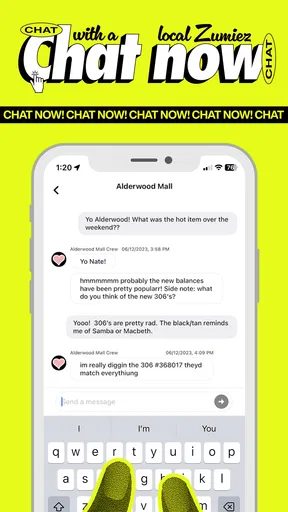
Zumiez is a shopping app focused on action sports, streetwear, skate, snow, and youth fashion. After installing it, you can browse clothing, footwear, accessories, and gear from popular brands, view product details, check available sizes and colors, and place orders from your mobile device. The app may also highlight new releases, promotions, and Zumiez-related services.
Does the Zumiez app offer exclusive products, discounts, or rewards?
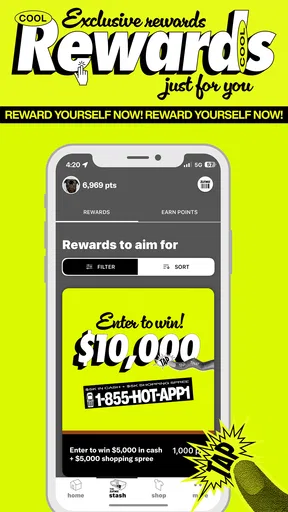
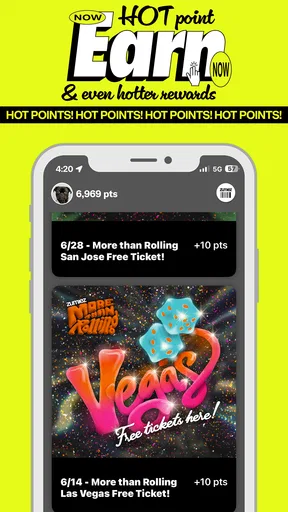
The Zumiez app may provide access to selected promotions, limited releases, sale items, and brand-specific products that appeal to skate, streetwear, and action-sports fans. Availability can change frequently, so discounts and exclusive offers should be checked directly in the app. Some benefits may require an account, joining a loyalty program, or meeting specific purchase conditions.
Can I check store availability or choose in-store pickup through Zumiez?
Zumiez can help shoppers find nearby stores and, where supported, check whether certain products are available locally. Depending on your location and the item, you may be offered delivery, store pickup, or other fulfillment options. Inventory is not always guaranteed in real time, so it is best to confirm the selected store, size, and pickup instructions before completing an order.
How do returns, exchanges, and refunds work for Zumiez purchases?
Return and exchange conditions depend on Zumiez’s current policy, the purchase location, the item’s condition, and whether the order was made online or in a store. Items may need to be unworn, unused, and accompanied by proof of purchase, while some products can have special restrictions. Review the policy in the app or on the official website before ordering.
Is the Zumiez app free, and what should I know before downloading it?
The Zumiez app is generally free to download, although purchases made through it are charged separately and may include shipping, taxes, or other applicable costs. You may be able to browse products without creating an account, but registration can make checkout and order tracking easier. Check app permissions, supported countries, payment methods, and device compatibility before installation.


